AVAILABLE — FALL 2026 CO-OP

Mechanical design,
built to be manufactured.

DECLAN KELLY · MECHANICAL ENGINEERING · WENTWORTH INSTITUTE OF TECHNOLOGY

I'm a mechanical engineering student at Wentworth focused on mechanical design, additive manufacturing, product development, and rapid prototyping. I take projects from analysis and CAD to printed and machined parts.

DegreeB.S. Mechanical Eng.
MinorManufacturing
LocationBoston, MA
SeekingFall 2026 Co-op

About

From CAD model to physical part.

I'm a mechanical engineering student at Wentworth Institute of Technology with a minor in manufacturing. My focus is mechanical design and prototyping, taking a problem from analysis and CAD through to physical parts that work.

My coursework in machine design, thermodynamics, fluid mechanics, heat transfer, and materials science backs up the hands-on side: I run a Bambu Lab P1S for FDM prototyping, model in SolidWorks with proper GD&T, and validate designs with stress analysis before anything gets built.

I'm looking for a Fall 2026 co-op on a hardware team where design and manufacturing are closely connected. Robotics, additive manufacturing, consumer hardware, medical devices, and energy are the areas I'm most drawn to.

Outside of engineering, I've played ice hockey for fifteen years and serve as captain and treasurer of Wentworth's Men's Club team. I also paint, travel, and am working toward visiting every U.S. national park.

Portrait of Declan Kelly
D. Kelly
SchoolWentworth Inst. of Tech.
MajorMechanical Engineering
MinorManufacturing
LeadershipCaptain, Club Hockey

Projects

Selected work

Four projects spanning analytical machine design, medical device development, embedded mechatronics, and hands-on machining. Expand each for specifications, process, and outcomes.

Overview

Semester-long machine design project: a compact, single-stage spur-gear reduction gearbox for an agricultural irrigation pump, designed for environments where reliability and simple maintenance are critical. The work was primarily analytical, applying methods from Shigley's Mechanical Engineering Design to take the system from load requirements to a fully specified assembly.

My role

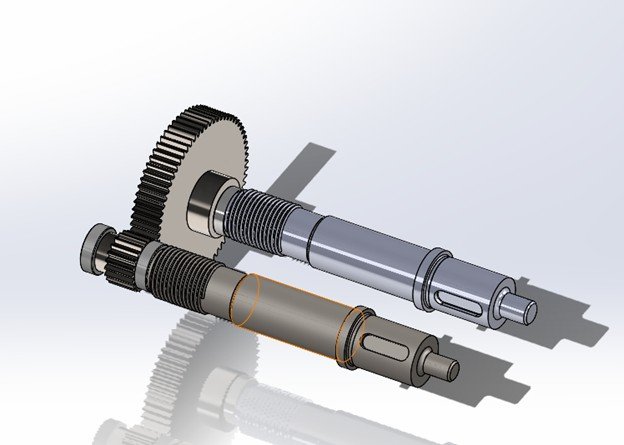
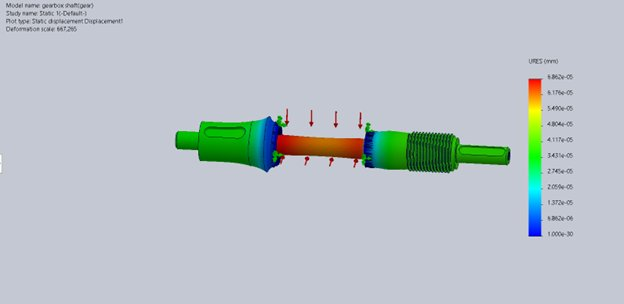
Led the analytical design and CAD modeling end-to-end: load calculations, gear geometry selection (Boston Gear YF70 gear / YF20 pinion), custom shaft sizing, bearing selection against a 4,000-hour life requirement, and validation of the design against torque, stress, and service-life constraints, including FEA on the shaft.

What it demonstrates

  • Gear stress analysis and torque transmission
  • Shaft sizing with fatigue and stress-concentration checks
  • Bearing life (L10) calculations and selection
  • Mechanical layout of a complete gearbox system
SolidWorksFEAStress analysisGD&T
Design requirements
Input power9 hp
Input speed1500 rpm
Reduction ratio3.5 : 1
Output speed≈ 430 rpm
Bearing life4,000 h
Gear type20° spur
SolidWorks render of the gear and pinion assembly: Boston Gear YF70 gear, YF20 pinion, and custom shafts
Fig 01 — Gear & pinion assembly
SolidWorks static displacement FEA plot of the gearbox shaft under load
Fig 02 — Shaft FEA results

The problem

During radiation therapy, patients must remain completely stationary for treatment to be accurate. Existing immobilization equipment can be heavy, uncomfortable, and difficult for staff to adjust, so it often goes unused. In collaboration with Beth Israel Deaconess Medical Center, I'm designing a support table that immobilizes the patient securely while staying lightweight, stiff, portable, and compatible with the hospital's existing equipment, including the linear accelerator bench.

Design approach

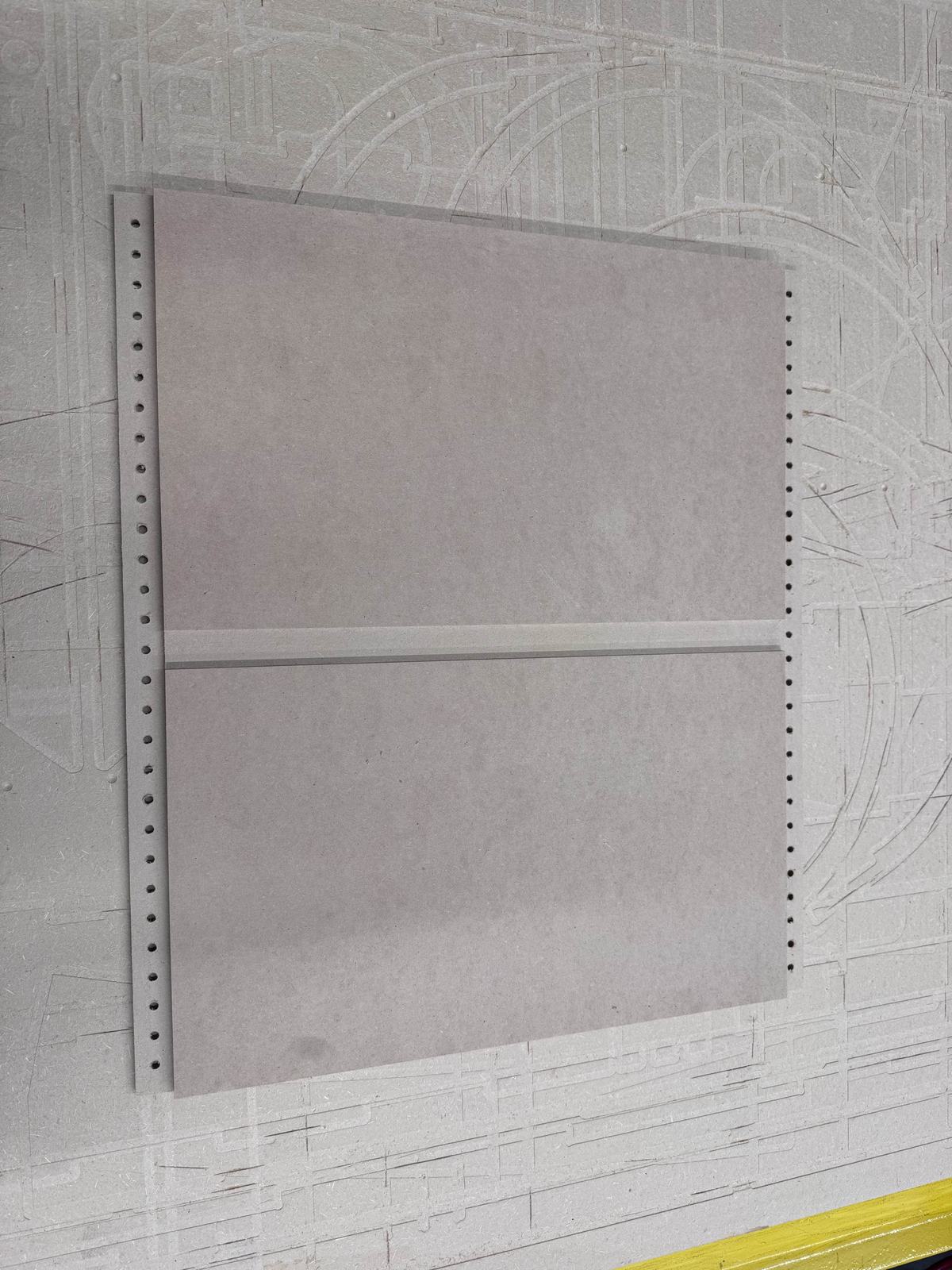
The work started with load conditions and constraints: support a patient's full weight safely, minimize deflection under load, cut system weight, and use materials suited to a clinical environment. Material selection landed on carbon fiber composite panels with polycarbonate components for strength and stiffness at low weight. The structure is modular for manufacturability, modeled in SolidWorks down to the peg-screw and cap interfaces, and the first prototype was CNC-machined from plywood to verify geometry before committing to final materials.

What it demonstrates

  • Designing mechanical systems for a real medical application
  • Balancing structural stiffness against lightweight construction
  • Usability and ergonomics as first-order design inputs
  • Collaborating directly with medical professionals through iteration
SolidWorksCarbon fiber compositePolycarbonateCNC machiningMedical device
Key parameters
ClientBeth Israel Deaconess
InterfaceLinear accel. bench
MaterialsCF composite + PC
Prototype #1CNC-machined plywood
StatusDesign & development
First prototype of the patient immobilization support table, CNC-machined from plywood
Fig 01 — Prototype #1, CNC plywood
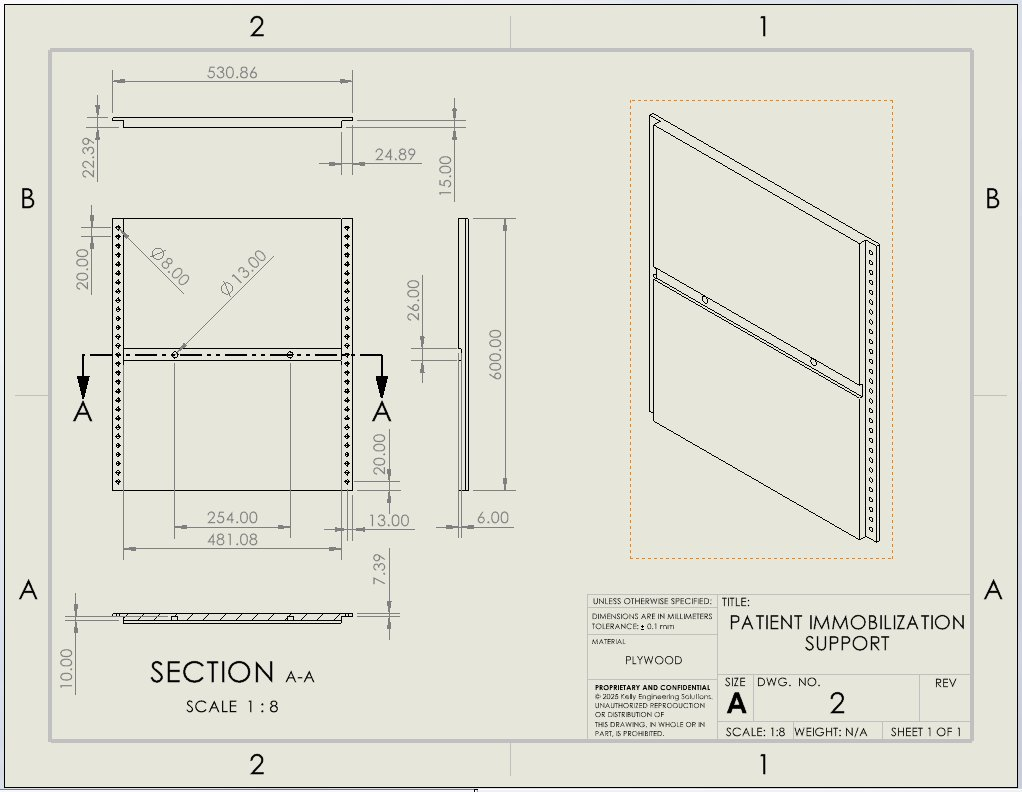
Dimensioned engineering drawing of the patient immobilization support table with section view
Fig 02 — Table DWG

Overview

A fully custom remote-control vehicle where every major system (electronics, power, control, and mechanical) is developed from scratch rather than from kits. Started Summer 2025 as a way to build real embedded-systems fluency on top of a mechanical design foundation.

Engineering the hard parts

The first power system failed: an undersized pack couldn't source enough current, and the first series Li-ion configuration overheated immediately from overcurrent. The fix became its own design exercise: a custom 3D-printed battery housing with room for heavier-gauge wiring, an integrated BMS slot, onboard charging, a power switch, and a 10 A fuse. On the control side, the original board had no wireless capability, so I moved to an ESP32 and rewrote the control code to pair with an Xbox controller over Bluetooth, driving the motors through a BTS7960 driver. Drive and steering run on a 3D-printed chassis with servo steering, powered by the LiPo/Li-ion pack.

What it demonstrates

  • Power delivery and current management in DC motor systems
  • Battery pack design and Li-ion safety engineering
  • Microcontroller programming and wireless control (ESP32 / Bluetooth)
  • Iterative prototyping and failure-driven redesign
ESP32Arduino C++BTS7960Bambu P1SSolidWorksLi-ion / LiPo
System summary
ControllerESP32 (Bluetooth)
Motor driverBTS7960
InputXbox controller
PowerLi-ion, BMS + 10 A fuse
Chassis3D-printed, servo steering
StatusDrivetrain operational
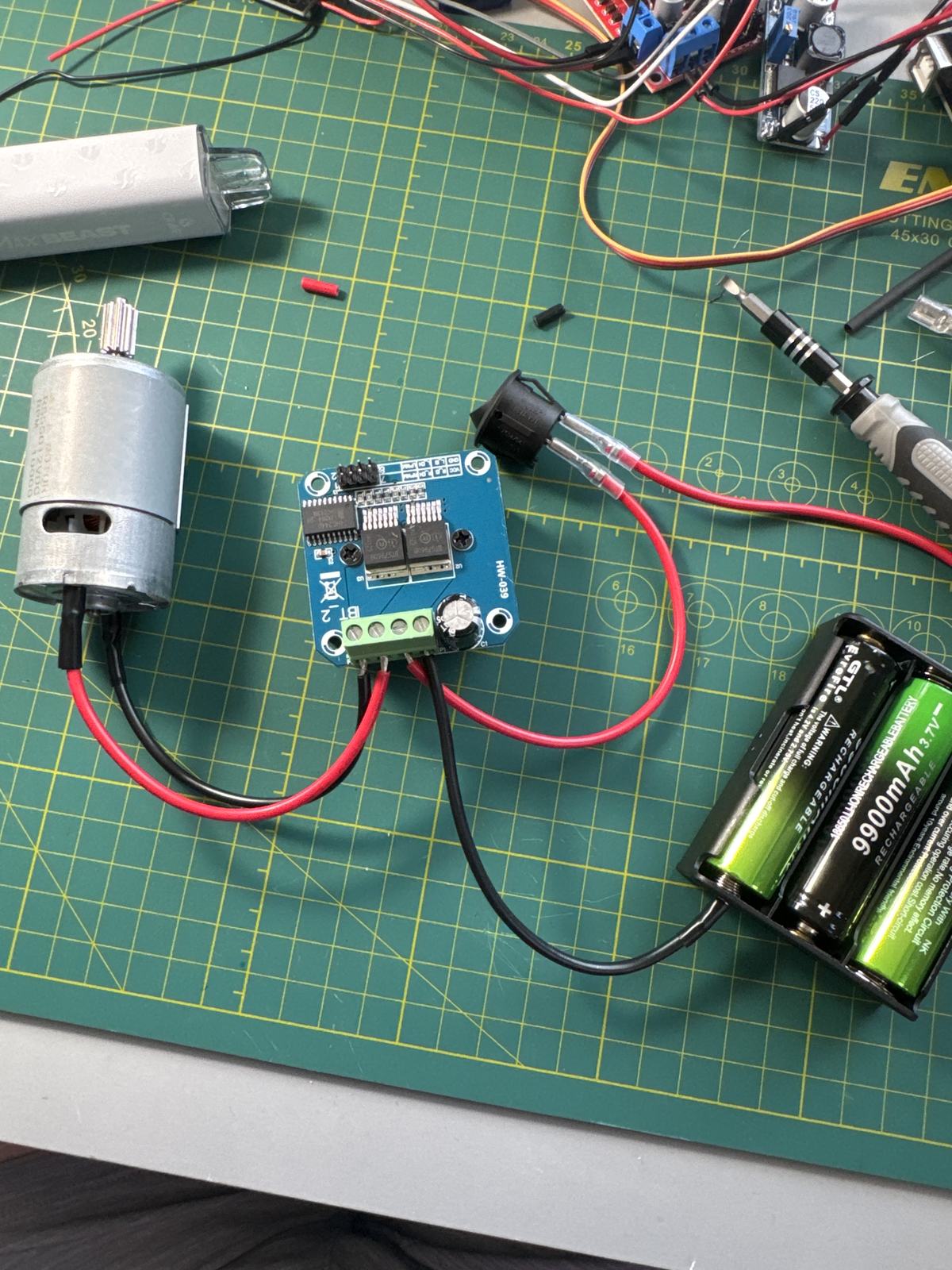
Bench test of the DC drive motor wired through a BTS7960 motor driver and Li-ion pack
Fig 01 — Motor test, BTS7960
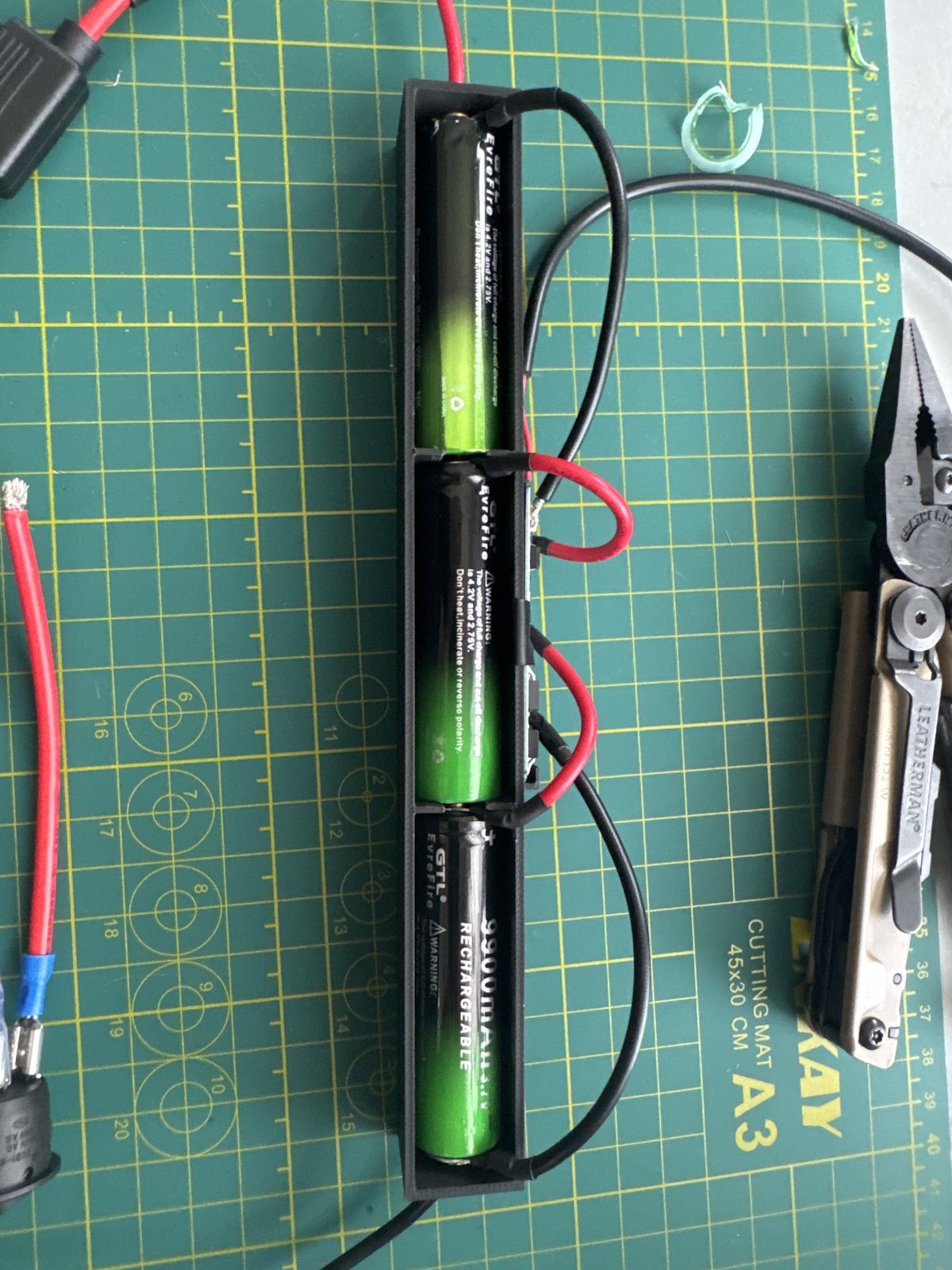
Three 18650 Li-ion cells in series inside the custom 3D-printed battery housing
Fig 02 — Custom battery housing

Overview

A semester-long build from my first manufacturing course: fabricating a complete oscillating-cylinder ("wobbler") engine from a full set of technical drawings, using manual milling and turning operations on the shop mill and lathe. Every component (piston, cylinder, cylinder block, crank disk, flywheel) was machined to print and assembled into a running engine.

The real lesson

Several parts had to be remanufactured after early mistakes in machining and setup. Reworking them reinforced the fundamentals: plan the operation sequence before touching the machine, hold dimensional accuracy through every setup, and verify measurements constantly. This project connects my CAD and drawing work to what actually happens at the machine.

What it demonstrates

  • Interpreting engineering drawings and tolerances on the shop floor
  • Manual milling and turning fundamentals
  • Measurement, setup, and sequential operation planning
  • Manufacturing discipline through rework and recovery
Manual millLatheDrawing interpretationPrecision measurement
Build summary
ContextFirst manufacturing course
ProcessManual milling & turning
Parts madePiston, cylinder, block, crank disk, flywheel
SourceFull drawing package
OutcomeRunning assembly
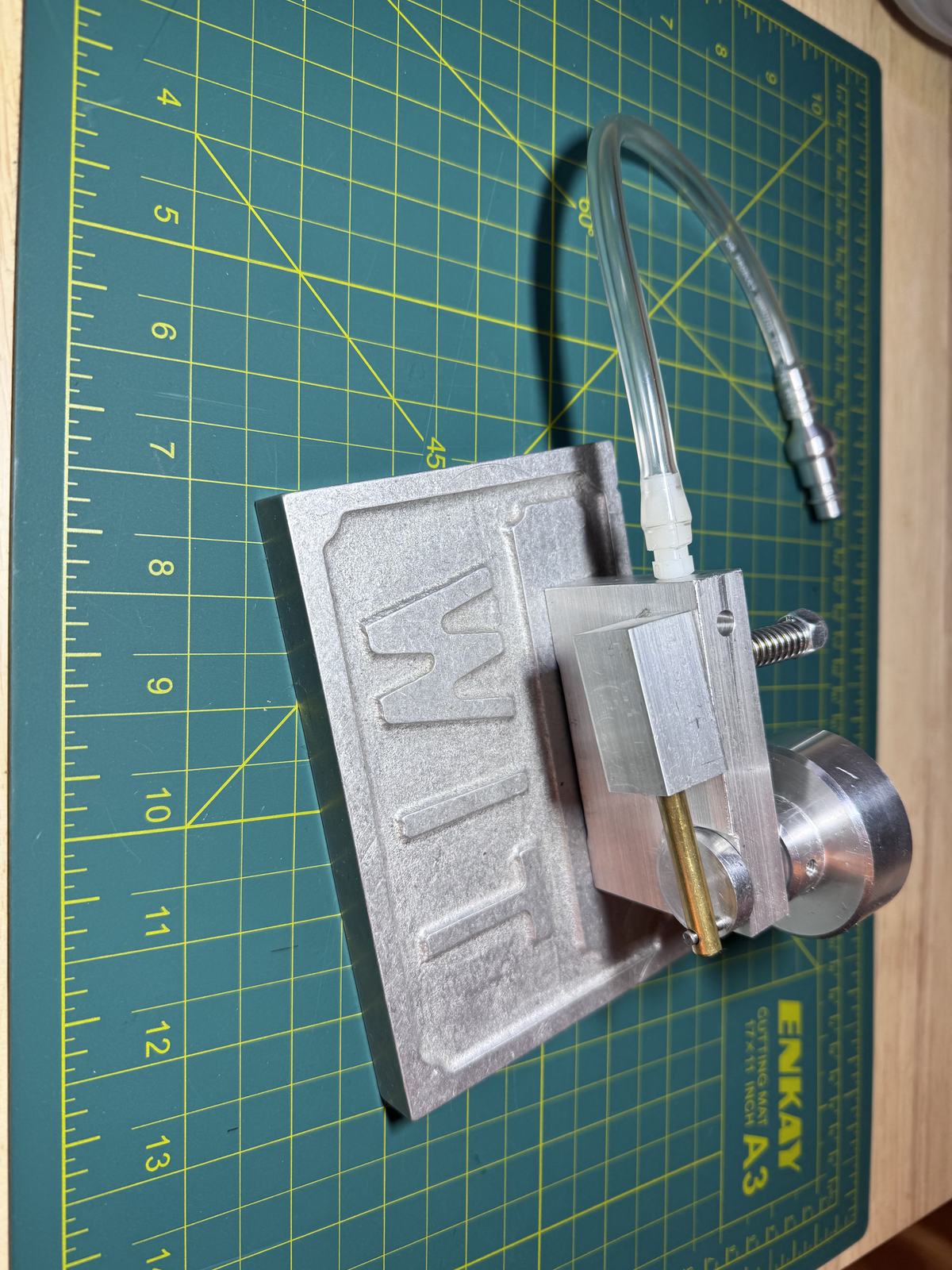
Fully assembled wobbler engine on its machined aluminum base plate with air hose attached
Fig 01 — Full engine assembly
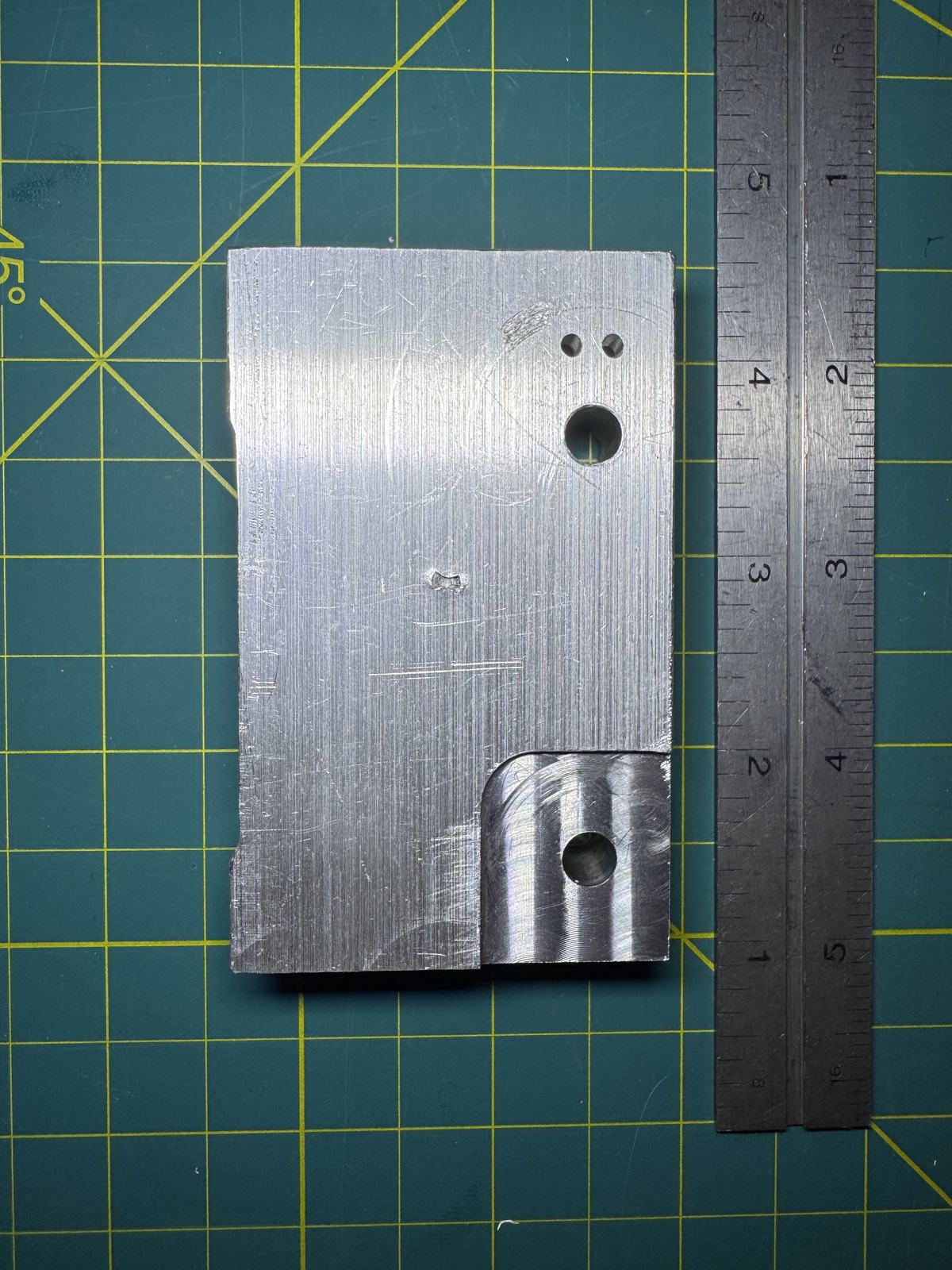
Manually machined aluminum cylinder block next to a ruler for scale
Fig 02 — Machined cylinder block

Skills & Tools

The toolkit

Grouped by how the work happens: design and analysis, manufacturing, and software and electronics.

Design & Analysis

  • SolidWorks CAD · drawings · FEA
  • nTopology lattice / DfAM
  • GD&T tolerancing
  • Stress analysis machine design
  • Heat transfer coursework + applied

Manufacturing

  • Additive / FDM Bambu Lab P1S
  • Bambu Studio slicing / tuning
  • Rapid prototyping iterate fast
  • DFM manufacturing minor

Software & Electronics

  • Python analysis / scripting
  • ESP32 / Arduino embedded C++
  • Motor control drivers · servos
  • Battery systems BMS · Li-ion safety
  • Notion documentation

Contact

Looking for a Fall 2026 co-op.

I'm looking for a Fall 2026 co-op on a hardware-focused team in robotics, additive manufacturing, consumer hardware, medical devices, or energy. Available to start August. Reach out if there's a fit.

Robotics Additive Manufacturing Consumer Hardware Medical Devices Energy
Email me